


Stories you may like
Upholsterer
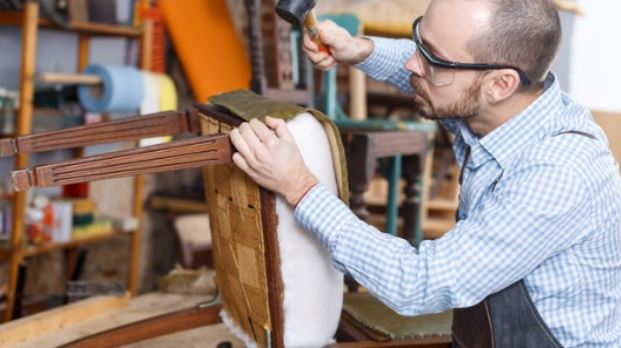
An upholsterer specializes in the restoration and creation of upholstered furniture, such as sofas, chairs, and other seating items. The role of an upholsterer is to provide both aesthetic and functional improvements to furniture, which may include padding, cushioning, and covering with fabric or leather materials. They work with a variety of materials such as foam, cotton, polyester, and springs to create comfortable and durable seating.
Upholsterers may work in a variety of settings, including furniture factories, repair shops, or as independent contractors. They must be skilled in the use of various tools and equipment such as scissors, staple guns, and sewing machines to achieve precise and accurate work. Additionally, they must have knowledge of various materials and techniques to effectively select, cut, and install materials in a manner that meets the client's specifications. Upholsterers often work closely with interior designers, furniture manufacturers, and homeowners to create customized furniture pieces that fit the desired style and function.
Upholsterers preserve and enhance the appearance and functionality of furniture. Their craftsmanship and attention to detail contribute to the overall aesthetic and comfort of furniture pieces.
Duties and Responsibilities
The duties and responsibilities of an upholsterer may vary depending on their specific job setting, but generally include:
- Furniture Restoration: Upholsterers are skilled craftsmen who specialize in repairing and restoring furniture. They work to bring new life to old or damaged furniture pieces by replacing worn-out upholstery materials, repairing structural components, and refinishing surfaces.
- Upholstery Installation: Upholsterers are responsible for the installation of new upholstery materials on furniture such as sofas, chairs, and cushions. This involves measuring and cutting fabric, foam, and padding to fit furniture frames precisely.
- Material Selection: Upholsterers assist clients in selecting appropriate upholstery materials, such as fabric, leather, vinyl, or other coverings. They consider factors like durability, aesthetics, and functionality when helping clients choose the right materials for their furniture.
- Pattern Layout and Cutting: Upholsterers use their pattern-making skills to ensure that fabric or other materials are cut and sewn accurately to match the design and dimensions of the furniture. They must pay attention to pattern alignment and fabric direction to achieve a cohesive and polished look.
- Sewing and Stitching: Upholsterers have sewing skills to create or repair cushion covers, pillowcases, and other fabric components. They sew seams, attach piping or trim, and ensure that the finished upholstery has clean and precise stitching.
- Foam and Padding Work: Upholsterers often work with foam and padding materials to provide comfort and support to furniture pieces. They cut and shape foam to fit furniture contours and ensure optimal cushioning.
- Frame Repair: In addition to working with fabrics, upholsterers may need to repair or reinforce furniture frames. This can involve tasks such as replacing springs, repairing broken parts, and reinforcing weak areas.
- Detailing and Finishing: Upholsterers pay attention to the finishing touches of furniture, ensuring that fabric is neatly attached, corners are properly folded, and any decorative elements are applied with care.
- Client Consultation: Upholsterers may consult with clients to understand their preferences, requirements, and budget. They provide recommendations and estimates for upholstery work and communicate with clients about the progress of projects.
Types of Upholsterers
Upholsterers specialize in various areas of furniture restoration and upholstery. Here are some common types of upholsterers, each focusing on different aspects of the craft:
- Furniture Upholsterer: This is the most common type of upholsterer. Furniture upholsterers specialize in reupholstering and restoring a wide range of furniture items, such as sofas, chairs, ottomans, and benches. They replace worn-out upholstery materials, repair frames, and ensure that the furniture looks and feels refreshed.
- Automotive Upholsterer: Automotive upholsterers work on the interior of vehicles, including cars, trucks, boats, and motorcycles. They repair and replace upholstery materials in vehicle seats, headliners, door panels, and other interior components.
- Marine Upholsterer: Marine upholsterers focus on upholstery work for boats and yachts. They specialize in materials that can withstand exposure to water, sun, and salt. Marine upholstery includes seating, cushions, and covers for various areas of the boat.
- Commercial Upholsterer: Commercial upholsterers cater to businesses and industries that require furniture restoration. They may work on items found in hotels, restaurants, offices, and other commercial spaces. This type of upholsterer often deals with high-traffic furniture that needs durable and easy-to-clean materials.
- Antique Upholsterer: Antique upholsterers specialize in restoring and preserving antique furniture pieces. They are skilled in using traditional techniques and materials to maintain the historical integrity of older furniture.
- Custom Upholsterer: Custom upholsterers work on unique and bespoke projects. They collaborate closely with clients to create one-of-a-kind furniture pieces that match specific design preferences and requirements.
- Medical and Dental Upholsterer: This type of upholsterer specializes in providing upholstery services for medical and dental equipment, such as examination tables, dental chairs, and waiting room furniture. These upholsterers often use materials that are easy to clean and sanitize.
- Aircraft Upholsterer: Aircraft upholsterers focus on the interior upholstery of airplanes and other aircraft. They ensure that the upholstery materials used meet safety standards and are suitable for aviation environments.
- Event and Entertainment Upholsterer: Event and entertainment upholsterers work on seating and decor for venues such as theaters, cinemas, auditoriums, and event spaces. They prioritize comfort and aesthetics to create an enjoyable experience for audiences.
- Outdoor Upholsterer: Outdoor upholsterers specialize in materials and techniques suitable for outdoor furniture. They work on items like patio furniture, cushions, and covers, using fabrics that can withstand exposure to weather and outdoor conditions.
Workplace of an Upholsterer
The workplace of an upholsterer can vary depending on their specific job and employer. Some upholsterers work in factories, where they may be part of a production line that creates furniture on a large scale. In this type of setting, upholsterers typically work in teams, and their work may be more specialized and focused on one aspect of the upholstery process, such as cutting and sewing fabric or installing padding and springs.
Other upholsterers work in smaller workshops or studios, where they may have more creative freedom and work on custom or one-of-a-kind pieces of furniture. These upholsterers may work independently or as part of a small team, and they often have more interaction with clients and customers. In this type of setting, upholsterers may be responsible for the entire upholstery process from start to finish, including consulting with clients, designing and selecting fabrics, and completing all of the necessary padding and sewing work.
Regardless of the setting, upholsterers typically work with a variety of tools and equipment, including scissors, needles, sewing machines, and staple guns. They may also use specialized tools such as hog ring pliers or webbing stretchers. The work can be physically demanding, requiring the ability to stand for long periods of time, lift heavy objects, and maintain good hand-eye coordination.
How to become an Upholsterer
Becoming an upholsterer typically involves a combination of education, training, and on-the-job experience. Here are some steps you can take to become an upholsterer:
- Earn a High School Diploma: A high school diploma or equivalent is typically required to become an upholsterer.
- Complete a Vocational Program: Many vocational schools offer programs in upholstery, which can provide hands-on training and education in the field. These programs may cover topics such as sewing, fabric selection, and furniture repair.
- Get On-the-Job Experience: Many upholsterers learn on the job, starting out as apprentices or assistants to more experienced upholsterers. This can provide valuable hands-on experience and allow you to develop your skills under the guidance of a mentor.
- Develop Your Skills: Upholsterers must have a variety of skills, including the ability to work with different fabrics and materials, knowledge of sewing techniques, and an eye for design. Practice and refinement of these skills can be achieved through continuing education, taking workshops or classes, and working on personal projects.
- Obtain Certifications: While not required, obtaining a certification from a professional organization, such as the Professional Upholstery Association of Minnesota, can demonstrate your expertise and credibility as an upholsterer (see below).
- Build Your Portfolio: As you gain experience and develop your skills, building a portfolio of your work can help you showcase your abilities to potential clients or employers.
Certifications
Obtaining a certification from a professional organization can demonstrate your commitment to professionalism and quality workmanship as an upholsterer. It can also help you stand out in a competitive job market and attract more clients as a freelancer.
- Professional Upholstery Association of Minnesota (PUAM): PUAM offers a certification program that includes a written exam and a hands-on skills test. The certification is valid for three years and requires continuing education credits to maintain.
- National Upholstery Association (NUA): NUA offers a certification program that includes both written and practical exams. Upholsterers can choose to specialize in one or more areas, including auto upholstery, marine upholstery, and furniture upholstery. The certification is valid for three years and requires continuing education credits to maintain.
- Professional Upholsterers' Network (PUN): PUN offers a certification program that includes a written exam and a practical skills test. The certification is valid for three years and requires continuing education credits to maintain.
Online Resources
Whether you are a professional upholsterer or a DIY enthusiast, there are many online resources available to help you learn new techniques, find supplies, and connect with other upholsterers.
- Upholstery Journal - A magazine that offers upholstery news, tips, and techniques.
- The Upholstery Forum - An online community where professional and amateur upholsterers can share their knowledge and experience.
- Upholstery Supply Online - An online store that offers a wide range of upholstery supplies, including fabrics, foam, and tools.
- DIY Upholstery Supply - An online store that specializes in DIY upholstery projects and offers a wide range of supplies and materials.
- The National Upholstery Association - An organization that offers education, networking opportunities, and resources for professional upholsterers.
- The Upholstery Studio - A website that offers upholstery tutorials and courses for beginners and experienced upholsterers.
- The Spruce Crafts - A website that offers a variety of upholstery tutorials, including how to reupholster furniture, how to make cushions, and how to sew upholstery.
- The Upholstery Blog - A blog that offers tips, techniques, and inspiration for upholsterers of all levels.
- The Upholstery Resource - An online directory of upholstery resources, including suppliers, schools, and professional organizations.
- The Upholstery Association - An organization that offers education, training, and certification programs for upholsterers.
Skills Needed for an Upholsterer
An Upholsterer repairs, restores, and covers furniture such as sofas, chairs, cushions, and vehicle interiors using fabrics, leather, foam, and other materials.
Key Skills
- Fabric Cutting and Measuring – Accurately measure and cut fabric, leather, vinyl, and other upholstery materials.
- Sewing Skills – Use sewing machines and hand-stitching techniques to create and repair upholstery covers.
- Furniture Repair – Repair frames, springs, webbing, padding, and other structural components.
- Material Knowledge – Understand different fabrics, leather, foam, padding, adhesives, and finishing materials.
- Pattern Making – Create and follow patterns to achieve accurate fitting and professional finishes.
- Attention to Detail – Maintain precise seams, corners, pleats, stitching, and alignment.
- Hand and Power Tool Skills – Safely operate staplers, tackers, scissors, staple guns, drills, and other workshop tools.
- Design and Colour Sense – Select suitable fabrics, textures, colours, and finishes according to customer requirements.
- Problem-Solving – Identify damage and determine the most effective repair or restoration method.
- Physical Stamina – Handle heavy furniture and perform prolonged cutting, sewing, stretching, and fitting work.
- Customer Service – Understand client preferences, explain material choices, and provide accurate estimates.
- Time Management – Complete upholstery projects efficiently while maintaining quality.
- Creativity – Develop attractive custom designs and restoration solutions for different types of furniture.
- Safety Awareness – Follow proper safety procedures when handling tools, chemicals, adhesives, and machinery.
Salary of an Upholsterer
The salary of an Upholsterer depends on experience, skill level, location, employer, and whether the professional works independently.
In India
- Entry-level: ₹1.5–3 lakh per year
- Mid-level: ₹3–5 lakh per year
- Experienced: ₹5–8 lakh per year
- Highly skilled / specialist upholsterers: ₹8–12+ lakh per year
Self-employed upholsterers with a strong customer base can earn more, particularly through custom furniture, luxury upholstery, vehicle interiors, and restoration work.
International Salary
In countries such as the United States, UK, Canada, and Australia, experienced upholsterers can earn significantly higher salaries, with earnings varying considerably by location, specialization, and type of employer.









User's Comments
No comments there.