


Stories you may like
Sports Journalist
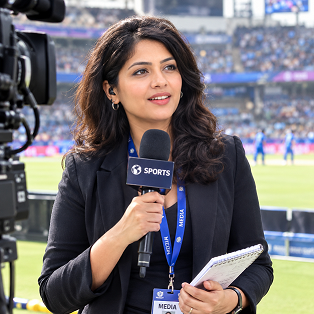
A sports journalist covers news and events related to sports, athletes, and teams. They report on games, analyze player performance, and provide updates before, during, and after sporting events. Their work can include writing articles, conducting interviews, attending press conferences, and creating content for newspapers, websites, radio, or television.
Sports journalists help fans stay informed and entertained by offering insights, commentary, and behind-the-scenes stories. They may cover a specific sport or work across multiple sports, depending on their assignment or employer. Accuracy, strong communication skills, and a deep understanding of the sports they cover are essential to succeed in this field.
What does a Sports Journalist do?
Duties and Responsibilities
The duties and responsibilities of a sports journalist revolve around gathering, analyzing, and sharing information related to sports events and figures. Common responsibilities include:
- Covering Live Events: Attend games, matches, and tournaments to provide real-time reporting, take notes, and capture key moments.
- Research and Preparation: Study player statistics, team history, and league developments to provide informed commentary and context for reports.
- Interviewing: Speak with athletes, coaches, and sports officials to gather quotes and insights that add depth to their stories.
- Writing and Editing: Create news articles, opinion pieces, and feature stories for print, online, or broadcast outlets, often under tight deadlines.
- Multimedia Reporting: Produce content for radio, TV, and digital platforms, which may include video reporting, podcasts, or live social media coverage.
Types of Sports Journalists
There are several types of sports journalists, each focusing on a specific medium or aspect of sports coverage. Here are the main types:
- Sports Broadcaster: Works in radio or television, delivering live commentary, post-game reports, and interviews during sports programs or news segments.
- Photojournalist (Sports): Captures key moments of sporting events through photography, often working closely with editorial teams to pair visuals with written content.
- Print Sports Journalist: Writes for newspapers, magazines, and online publications, covering game summaries, player profiles, and in-depth analysis.
- Digital Sports Journalist: Creates content specifically for websites and social media, including blogs, video highlights, live tweets, and interactive updates.
- Investigative Sports Journalist: Digs deeper into stories involving sports ethics, finances, or controversies, often uncovering issues that impact the industry.
- Sports Columnist: Offers personal opinions and commentary on games, teams, and athletes, often becoming a recognizable voice in sports media.
What is the workplace of a Sports Journalist like?
The workplace of a sports journalist can vary depending on the type of media they work in, but it often involves a mix of office work and being out in the field. Many sports journalists spend time in newsrooms or media offices writing articles, editing stories, and preparing for upcoming coverage. They may work on tight deadlines, especially when covering games or breaking news, so the pace can be fast and demanding.
Sports journalists also spend a lot of time at sporting events such as games, tournaments, and press conferences. This part of the job may require travel, sometimes locally and sometimes to different states or countries, depending on the level of sports they cover. At events, they gather facts, take notes, interview players and coaches, and sometimes provide live updates or commentary.
The environment can be exciting and energetic, especially during major sporting events. However, it also involves long hours, including evenings, weekends, and holidays when most games take place. For those who love sports and storytelling, the workplace offers a unique blend of action, creativity, and the chance to be part of the sports world.
How to become a Sports Journalist
Becoming a sports journalist involves building strong writing skills, gaining sports knowledge, and developing experience in media and reporting. Here are the general steps you can take to pursue this career:
- Earn a Relevant Degree: Start by earning a Bachelor’s Degree in Journalism, Broadcast Journalism, Communications, or a related field. These programs teach essential skills in writing, media ethics, interviewing, and reporting.
- Gain Experience Through Writing: Begin writing about sports for your school newspaper, personal blog, or local media outlets. This helps build a portfolio and shows your interest and ability in sports journalism.
- Intern with a Media Organization: Internships at newspapers, sports websites, radio stations, or TV networks provide valuable hands-on experience and help you make industry connections.
- Learn About Sports and Stay Informed: Keep up with current events in sports, know team histories, and understand rules of various games. This knowledge helps you write with depth and authority.
- Develop Multimedia Skills: Many sports journalists today also work with video, audio, and social media. Learning how to create and edit content for different platforms increases your opportunities.
- Consider a Master’s Degree (Optional): A Master’s Degree in Journalism, Broadcast Journalism, or Sports Media can offer advanced training and help you specialize, but it’s not required for most entry-level roles.









User's Comments
No comments there.