


Stories you may like
Courier
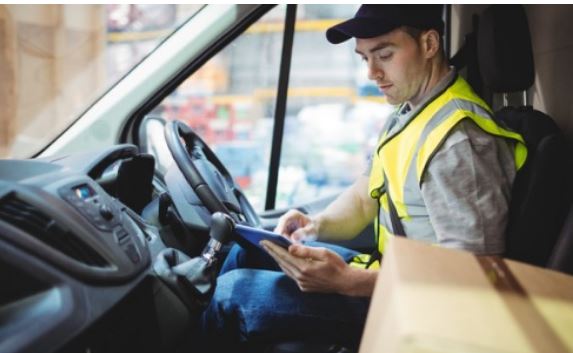
A courier specializes in the transportation and delivery of packages, documents, and important items from one location to another. Couriers are responsible for the safe and timely delivery of these goods, ensuring that they reach the intended recipient quickly and efficiently. They play an important role in various industries, including e-commerce, healthcare, legal, and financial sectors.
Couriers are known for their speed, reliability, and attention to detail. They often operate within a specific geographic area, such as a city or region, and have a deep understanding of the local transportation infrastructure and routes. Couriers utilize various modes of transportation, ranging from bicycles and motorcycles for quick deliveries in urban areas to vans and trucks for larger and bulkier shipments. They may work independently as freelancers or as part of courier companies or logistics firms, depending on the scale of their operations.
With the rise of online shopping and the need for fast and efficient delivery services, couriers have become an integral part of the modern economy. They provide convenience to businesses and individuals by offering door-to-door delivery solutions, tracking capabilities, and often flexible scheduling options. Couriers are essential in ensuring that packages and important documents reach their destinations securely and on time, contributing to the smooth functioning of various industries and improving customer satisfaction.
Duties and Responsibilities
The duties and responsibilities of couriers typically include:
- Package Pickup: Couriers are responsible for collecting packages, documents, or items from designated locations, such as businesses, post offices, or individual customers. They ensure that the items are properly packaged and ready for transportation.
- Delivery: Couriers transport packages and items to their intended recipients, using the most efficient and timely routes. They may utilize different modes of transportation, such as bicycles, motorcycles, cars, vans, or trucks, depending on the size and nature of the shipment.
- Timely Delivery: Couriers are expected to deliver packages within the designated timeframes or by specific deadlines. They prioritize prompt delivery to ensure customer satisfaction and meet service level agreements.
- Security and Safety: Couriers handle valuable and sometimes confidential items, so they must maintain the security and integrity of the packages throughout the delivery process. They take precautions to prevent theft, damage, or loss and ensure that sensitive information remains confidential.
- Proof of Delivery: Couriers obtain proof of delivery, which may include signatures, timestamps, or electronic confirmations, to provide evidence that the package reached the intended recipient. This documentation is crucial for tracking purposes and resolving any disputes or inquiries that may arise.
- Customer Service: Couriers often interact directly with customers during the delivery process. They may provide updates on the delivery status, answer inquiries, and address any concerns or issues that customers may have. Couriers are expected to demonstrate professionalism and excellent customer service skills.
- Route Optimization: Couriers are responsible for planning and optimizing their delivery routes to ensure efficient and timely deliveries. They may use GPS systems or route planning software to minimize travel time and fuel consumption.
- Adhering to Regulations: Couriers must comply with local laws and regulations regarding the transportation of goods, including traffic rules and regulations related to hazardous or restricted materials. They may need to obtain permits or licenses for specific types of deliveries.
Types of Couriers
There are several types of couriers, each specializing in different types of deliveries and catering to specific industry needs. Here are some common types of couriers and what they do:
- Delivery Service Driver: Delivery service drivers ensure the safe and timely transportation of packages or goods to their intended destinations. They receive a list of delivery addresses or routes and carefully plan their routes to optimize efficiency and minimize delivery times. They have good knowledge of the local area, including street layouts and traffic patterns, to navigate effectively.
- Same-day Couriers: Same-day couriers specialize in urgent deliveries that need to be completed within the same day. They often handle time-sensitive documents, important packages, or perishable goods. Same-day couriers prioritize speed and reliability to ensure prompt delivery.
- International Couriers: International couriers specialize in shipping packages and documents across international borders. They are familiar with customs regulations, documentation requirements, and shipping logistics for various countries. International couriers may work with global courier companies or specialized freight forwarders to facilitate international shipments.
- E-commerce Couriers: With the rapid growth of online shopping, e-commerce couriers specialize in delivering packages from online retailers to customers' doorsteps. They often work closely with e-commerce platforms or fulfillment centers to handle the high volume of packages and ensure timely delivery to individual customers.
- Medical Couriers: Medical couriers specialize in the transportation of medical supplies, specimens, and sensitive healthcare-related materials. They adhere to strict protocols for handling and transporting items such as blood samples, organs for transplant, pharmaceuticals, and medical equipment. Medical couriers prioritize safety, temperature control, and maintaining the integrity of the materials being transported.
- Legal Couriers: Legal couriers specialize in handling legal documents, court filings, and other confidential or time-sensitive materials for law firms, courts, and legal professionals. They ensure the secure and timely delivery of legal documents to the appropriate recipients, often requiring them to navigate through specific legal processes and protocols.
- Freight Couriers: Freight couriers specialize in transporting larger and heavier items or bulk shipments. They utilize trucks or other specialized vehicles to move goods between businesses or warehouses. Freight couriers may handle pallets, crates, or containers and often require knowledge of loading and unloading procedures, as well as proper securing and handling of freight.
- Food Delivery Couriers: Food delivery couriers work in the foodservice industry, delivering meals from restaurants or food delivery platforms to customers' homes or workplaces. They may use bicycles, motorcycles, cars, or specialized delivery vehicles equipped with temperature-controlled compartments to ensure the food remains fresh during transportation.
Workplace of a Courier
The workplace of a courier can vary depending on the specific nature of their work and the company they work for. Couriers are typically on the move, spending a significant amount of time outside the office or warehouse, making deliveries and pickups. Their workplace extends beyond a fixed location and can encompass various environments, including urban areas, residential neighborhoods, commercial districts, and even rural or remote regions.
Couriers often start their day at a designated facility or distribution center where they receive packages, load them into their vehicles, and plan their routes. These facilities may be bustling with activity as couriers prepare for their daily deliveries, interact with dispatchers, and coordinate with other team members. They may also use this space to organize and sort packages for efficient distribution.
Once on the road, couriers navigate through city streets, highways, and various terrains to reach their destinations. They interact with customers directly, delivering packages to homes, offices, or other specified locations. Depending on the type of courier, they may also visit specialized facilities, such as medical centers or legal offices, to pick up or deliver specific items.
The workplace of a courier can be fast-paced and dynamic. They often encounter different weather conditions, traffic congestion, and varying degrees of accessibility to different locations. Time management and efficiency are crucial as they strive to meet delivery deadlines and customer expectations. Couriers may use mobile devices, GPS systems, or handheld scanners to track packages, update delivery statuses, and communicate with their dispatchers or customers.
While couriers spend a significant amount of time working independently, they may also interact with colleagues, customers, and other stakeholders throughout their day. Depending on the company they work for, couriers may have access to support services, such as customer service representatives, dispatchers, or supervisors, who provide guidance, address issues, and assist with any questions or challenges that may arise.
How to become a Courier
To become a courier, you typically need to follow these general steps:
- Research the Industry: Start by researching the courier industry to understand its requirements, trends, and opportunities. Learn about the different types of couriers, the services they offer, and the specific skills and qualifications needed for each type.
- Obtain a Driver's License: A valid driver's license is a basic requirement for most courier positions. Ensure you have a driver's license that is appropriate for the type of vehicle you will be using for deliveries. If necessary, obtain any additional endorsements or certifications required for specific types of vehicles, such as commercial driver's licenses (CDL) for larger trucks.
- Gain Driving Experience: Having a clean driving record and a good amount of driving experience can enhance your chances of becoming a courier. Spend time building your driving skills and familiarity with different road conditions, traffic situations, and navigation systems.
- Consider Vehicle Requirements: Determine the type of vehicle you will need for your courier services. Depending on the scale of your operations, you may start with a car, van, motorcycle, or bicycle. Ensure your vehicle meets any legal and safety requirements, such as registration, insurance coverage, and regular maintenance.
- Apply for Positions: Begin searching for courier job openings in your area. Check job boards, courier company websites, and online classifieds for opportunities. Submit your application, resume, and any required documents, emphasizing your driving experience, reliability, and attention to detail.
- Develop Customer Service Skills: Couriers often have direct interaction with customers, so honing your customer service skills is important. Showcase your ability to communicate effectively, handle inquiries, and maintain professionalism while representing the courier company.
- Pass Background Checks: Many courier companies require applicants to undergo background checks, including criminal history checks and driving record evaluations. Ensure that your background check meets the requirements of the company you are applying to.
- Complete Training Programs: Depending on the courier company, you may need to undergo training programs to familiarize yourself with their procedures, technologies, and safety protocols. These training programs can help you understand the company's expectations and ensure that you can perform your duties efficiently and effectively.
- Obtain Necessary Permits or Licenses: Depending on the nature of your courier work, you may need to obtain additional permits or licenses. For example, if you plan to transport hazardous materials, you might need specialized training and permits.
- Start as an Independent Contractor: Many couriers begin their careers by working as independent contractors for courier companies or through platforms that connect couriers with customers. This allows you to gain experience, build a reputation, and determine if being a courier is the right fit for you.
Permits and Licenses
The specific permits or licenses required for couriers can vary depending on the state, city, and the type of courier services you plan to offer. Here are some common permits and licenses you may need to consider:
- Driver's License: A valid driver's license is a basic requirement for any courier position that involves driving a vehicle. Ensure you have the appropriate class of license based on the size and type of vehicle you will be using.
- Commercial Driver's License (CDL): If you plan to operate larger vehicles, such as trucks or vans over a certain weight threshold, you may need a commercial driver's license (CDL). CDL requirements vary based on vehicle weight, the number of passengers, and whether hazardous materials are being transported. Check the specific requirements in your state.
- Vehicle Registration and Insurance: Registering your vehicle with the appropriate state agency is necessary to legally operate it for courier services. Additionally, commercial auto insurance is typically required to cover your vehicle and liability during business operations.
- Hazardous Materials Endorsement: If you plan to transport hazardous materials, such as chemicals or flammable substances, you may need a Hazardous Materials Endorsement (HME) on your CDL. This requires passing a background check, fingerprinting, and a written test specific to hazardous materials handling.
- Medical Certification: Commercial drivers, including some couriers, may need to obtain a medical certification, such as a DOT (Department of Transportation) physical, to ensure they are fit for driving.
- Business Licenses: Depending on local regulations, you may need a business license to operate as a courier service. Check with your city or county authorities to determine if any specific permits or licenses are required for operating a courier business.
- Courier or Delivery Service License: Some states or municipalities may have specific licensing requirements for courier or delivery services. These licenses may include additional regulations related to insurance, vehicle inspections, or background checks.
Skills Needed for a Courier
A Courier is responsible for collecting, transporting, and delivering parcels, documents, and other items safely and on time. Couriers may work for courier companies, logistics providers, e-commerce businesses, or independent delivery services.
Key Skills Required for a Courier
1. Time Management: Ability to plan delivery schedules and complete deliveries within the required time.
2. Navigation Skills: Knowledge of local roads, routes, and traffic conditions, along with the ability to use GPS and navigation applications.
3. Communication Skills: Communicate clearly with customers, dispatch teams, and supervisors regarding deliveries and delays.
4. Customer Service: Maintain a polite and professional attitude when interacting with customers.
5. Attention to Detail: Verify delivery addresses, parcel labels, tracking numbers, and recipient information accurately.
6. Driving Skills: Operate a motorcycle, scooter, van, or other delivery vehicle safely, with the appropriate driving licence where required.
7. Physical Fitness: Ability to lift, carry, and move packages when necessary.
8. Organizational Skills: Manage multiple parcels, delivery orders, receipts, and proof-of-delivery records efficiently.
9. Problem-Solving Skills: Handle incorrect addresses, unavailable recipients, traffic delays, and other unexpected delivery issues.
10. Reliability and Punctuality: Deliver packages responsibly, follow schedules, and ensure parcels reach the correct recipients.
11. Technology Skills: Use smartphones, delivery applications, barcode scanners, and digital payment or tracking systems.
12. Safety Awareness: Follow road safety rules and handle fragile, valuable, or sensitive packages carefully.
Courier Salary
A courier's salary depends on experience, location, employer, delivery distance, and the number of parcels delivered. Earnings may also vary depending on whether the courier is a full-time employee or a delivery partner.
Courier Salary in India
- Entry-Level Courier: ₹10,000–₹15,000 per month
- Experienced Courier: ₹15,000–₹25,000 per month
- Senior Courier / Delivery Supervisor: ₹20,000–₹35,000 per month
- Freelance Courier / Delivery Partner: ₹12,000–₹30,000+ per month, depending on delivery volume and incentives.
Salary Based on Experience
Beginners generally earn a fixed monthly salary or payment per delivery. Experienced couriers may earn more through incentives, overtime, and specialized delivery assignments. Supervisory positions can offer higher salaries because they involve managing delivery operations and staff.
Factors Affecting Courier Salary
- Location: Salaries may be higher in major cities than in smaller towns.
- Employer: Salary packages differ among courier companies, logistics providers, and e-commerce platforms.
- Delivery Volume: Some delivery partners earn more by completing additional orders.
- Experience: Experienced couriers may qualify for better-paying roles.










User's Comments
No comments there.