


Stories you may like
Substitute Teacher
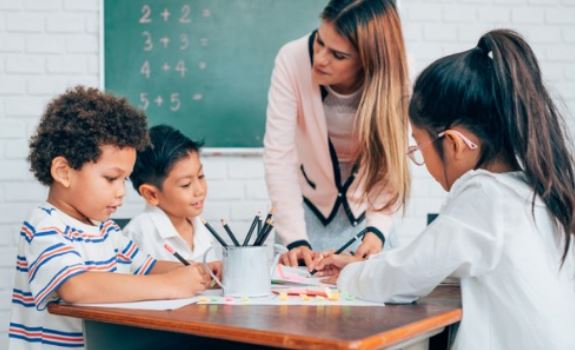
A substitute teacher temporarily fills in for a regular classroom teacher when they are absent. Substitute teachers maintain the continuity of education by ensuring that instruction continues in the absence of the regular teacher. They are typically employed on a part-time or per-diem basis and are called upon to cover various grade levels and subjects based on the needs of the school. Substitute teachers may work in elementary, middle, or high schools, and their responsibilities include delivering lesson plans left by the absent teacher, maintaining classroom order, and providing a positive and engaging learning environment for students.
The duties of a substitute teacher extend beyond merely conveying academic content; they must also be adaptable and quick to establish rapport with students. Effective communication and classroom management skills are essential as substitute teachers often encounter diverse groups of students in various educational settings.
Duties and Responsibilities
The duties and responsibilities of a substitute teacher are diverse, requiring flexibility, adaptability, and effective communication. While the specific tasks may vary depending on grade level, subject area, and school policies, the following are common responsibilities associated with the role of a substitute teacher:
- Implement Lesson Plans: Follow the lesson plans provided by the absent teacher to ensure continuity in instruction. This involves delivering academic content, facilitating activities, and addressing any questions students may have about the material.
- Maintain Classroom Order: Establish and maintain a positive and orderly classroom environment. Enforce school and classroom rules, manage student behavior, and address any disruptions to ensure a conducive learning atmosphere.
- Take Attendance: Record student attendance and submit it according to school procedures. Accurate attendance records are crucial for administrative purposes and student safety.
- Review and Collect Assignments: Collect completed assignments and distribute any new materials as specified by the absent teacher. Provide guidance and support to students working on assignments during the class period.
- Manage Classroom Technology: Familiarize yourself with classroom technology, such as interactive whiteboards or audiovisual equipment, to facilitate smooth lesson delivery. Troubleshoot any technical issues that may arise.
- Provide Clear Instructions: Clearly communicate instructions and expectations to students. Ensure that students understand the tasks at hand and are aware of any classroom routines or procedures.
- Address Student Inquiries: Respond to student questions and concerns to the best of your ability. If you are unsure of an answer, guide students to available resources or seek assistance from school staff.
- Promote a Positive Learning Environment: Foster a positive and inclusive classroom culture. Encourage student engagement, participation, and respect for one another. Establish a supportive environment that promotes learning and cooperation.
- Follow Emergency Procedures: Be aware of and adhere to school emergency procedures. In the event of a lockdown, fire drill, or other emergencies, follow established protocols to ensure the safety of students and staff.
- Communicate with School Staff: Collaborate with school administrators, other teachers, and support staff. Provide feedback on the day's activities, report any noteworthy incidents, and follow any specific communication protocols established by the school.
- Leave Detailed Feedback: Provide detailed feedback for the regular teacher, summarizing the day's activities, student behavior, and any notable achievements or challenges. This information helps the regular teacher understand what occurred during their absence.
- Adapt to Classroom Dynamics: Be adaptable to different classroom dynamics, grade levels, and subject matter. Substitute teachers may work with various students and subjects, requiring flexibility in teaching approaches.
- Maintain Professionalism: Exhibit professionalism in all interactions with students, colleagues, and school staff. Adhere to ethical standards, maintain confidentiality, and uphold the school's code of conduct.
Types of Substitute Teacher
Substitute teachers can fall into various categories based on their qualifications, roles, and responsibilities. Here are some types of substitute teachers:
- Traditional Substitute Teacher: The most common type, traditional substitute teachers step in for absent regular teachers across different subjects and grade levels. They follow lesson plans provided by the regular teacher and maintain classroom order.
- Long-Term Substitute Teacher: Long-term substitute teachers are brought in to cover an extended period of the regular teacher's absence, which could range from several weeks to an entire semester. They often take on more responsibilities, such as developing lesson plans and conducting parent-teacher conferences.
- Certified Substitute Teacher: Certified substitute teachers hold teaching certifications or credentials, making them qualified to cover a broader range of subjects and grade levels. They may have completed teacher education programs and possess the necessary state certifications.
- Permanent Substitute Teacher: Some schools hire permanent substitute teachers to be on staff regularly. These substitutes work consistently within a specific school or district, becoming familiar with the school culture and students. They may take on more responsibilities than traditional substitutes.
- Specialized Substitute Teacher: Specialized substitute teachers have expertise in specific subjects or areas. For example, a substitute teacher with a science background may be called upon to cover science classes regularly. These substitutes often have advanced degrees or specialized knowledge in a particular field.
- Paraprofessional Substitute Teacher: Paraprofessional substitute teachers typically work in special education settings or as teacher aides. They may provide support to students with disabilities, assist in implementing individualized education plans (IEPs), and work closely with special education teachers.
- Emergency Substitute Teacher: Emergency substitute teachers are called in on short notice to cover unexpected teacher absences. They must be flexible, adaptable, and able to quickly familiarize themselves with lesson plans and classroom procedures.
- Student Teacher Substitute: Student teacher substitutes are typically enrolled in teacher education programs and may fill in for short periods when the regular teacher is absent. This experience provides aspiring teachers with hands-on classroom exposure.
- Virtual Substitute Teacher: With the growth of online learning, virtual substitute teachers may cover virtual classrooms when regular teachers are unavailable. They facilitate online instruction, manage virtual classrooms, and ensure the continuity of learning in the digital environment.
Workplace of a Substitute Teacher
The workplace of a substitute teacher is dynamic and diverse, as they can find themselves in a variety of educational settings covering a range of subjects and grade levels. Unlike regular teachers who have a consistent classroom, substitute teachers often move between different schools and classrooms based on the needs of the district. Their work environment can include public and private schools, as well as alternative education programs.
Upon arriving at a school, a substitute teacher typically reports to the school office to check in and receive instructions for the day. The specific workplace can vary from day to day, and substitutes may cover classes in elementary, middle, or high schools, teaching subjects as diverse as English, math, science, or art. This adaptability requires substitute teachers to quickly familiarize themselves with lesson plans, classroom expectations, and school policies, showcasing their flexibility and ability to handle diverse educational environments.
The substitute teacher's workspace is the classroom itself, and they must quickly establish rapport with students, create a positive learning atmosphere, and manage classroom dynamics effectively. In addition to delivering the prepared lesson plans, substitutes are responsible for maintaining discipline, addressing student inquiries, and providing a supportive and engaging educational experience. The work of a substitute teacher involves navigating different school cultures, adhering to diverse teaching styles, and managing varying levels of student familiarity and cooperation. While the workplace is temporary and ever-changing, the adaptability and versatility of substitute teachers help to maintain the continuity of education when regular teachers are absent.
How to become a Substitute Teacher
Becoming a substitute teacher involves a combination of education, certification, and compliance with state and district requirements. Here is a general guide on how to become a substitute teacher:
- Education Requirements: Research the specific requirements for substitute teaching in your state and the school district where you plan to work. Each state and district may have slightly different criteria and processes. Some states require substitute teachers to hold a teaching credential or certificate. This may involve completing a substitute teacher training program or obtaining a teaching license. Check with your state's education department for specific requirements.
- Complete Substitute Teacher Training: Many states and districts require substitute teachers to complete training programs that cover classroom management, instructional strategies, and other essential skills. This training may be offered by the school district or through online courses.
- Complete a Background Check: Most school districts require substitute teachers to undergo a thorough background check, including criminal history and fingerprinting, to ensure the safety of students.
- Submit an Application: Contact the school district or districts where you wish to substitute teach and inquire about their application process. Submit a formal application along with any required documents, such as transcripts, proof of education, or teaching credentials.
- Attend an Interview: If an interview is part of the application process, be prepared to discuss your qualifications, experience, and your approach to managing a classroom. Supply references, which may include past employers, educators, or other individuals who can speak to your suitability for the role of a substitute teacher.
- Attend Orientation or Onboarding Sessions: If accepted as a substitute teacher, attend any required orientation or onboarding sessions. These sessions may cover district policies, classroom procedures, and expectations for substitute teachers.
- Flexible Schedule Availability: Be prepared to have a flexible schedule, as substitute teaching assignments are often on short notice. Availability and willingness to work in various schools and grade levels can increase your opportunities for assignments.
Helpful Resources
Being a substitute teacher can be both rewarding and challenging. Here are some helpful resources for substitute teachers:
- Online Substitute Teacher Platforms: Websites like SubstituteTeacher.com and Swing Education connect substitute teachers with schools in need. These platforms often provide resources, job listings, and support for substitute teachers.
- Substitute Teacher Associations: Joining a substitute teacher association can provide you with networking opportunities, professional development, and access to resources. The National Substitute Teachers Alliance (NSTA) is one such organization.
- Education Websites: Explore websites like TeachersPayTeachers and Education.com for lesson plans, educational materials, and resources that you can use during your substitute assignments.
- Classroom Management Books: Reading books on effective classroom management can be beneficial. "The First Days of School" by Harry K. Wong and Rosemary T. Wong is a widely recommended resource for new and experienced teachers.
- Online Learning Platforms: Utilize online learning platforms like Khan Academy, TED-Ed, and others to find supplementary materials and educational videos that can enhance your lessons.
- Professional Development Courses: Many online platforms, including Coursera and LinkedIn Learning, offer professional development courses for teachers. Topics range from classroom management to subject-specific skills.
- Substitute Teacher Handbooks: Some school districts provide substitute teacher handbooks that outline expectations, policies, and procedures. Make sure to review and familiarize yourself with the handbook in the district where you are substituting.
- Education Blogs and Forums: Follow education blogs and participate in forums where teachers share their experiences and resources. Websites like the Substitute Teaching Forum can provide valuable insights and tips.
Skills Needed for a Substitute Teacher
A Substitute Teacher temporarily takes the place of a regular teacher when they are absent. They are responsible for maintaining classroom discipline, teaching lessons, supporting students, and ensuring that learning continues smoothly.
The following skills are important for becoming a successful substitute teacher.
1. Communication Skills
- Explain lessons and instructions clearly.
- Communicate effectively with students, teachers, and parents.
- Listen carefully to students' questions and concerns.
2. Classroom Management
- Maintain discipline and order in the classroom.
- Manage different student behaviours.
- Create a positive and respectful learning environment.
3. Adaptability
- Adjust quickly to different classrooms, subjects, and grade levels.
- Follow lesson plans prepared by regular teachers.
- Handle unexpected classroom situations.
4. Subject Knowledge
- Have a good understanding of the subjects being taught.
- Explain basic concepts accurately.
- Answer students' academic questions.
5. Time Management
- Complete lessons within the scheduled time.
- Organize classroom activities effectively.
- Balance teaching, assignments, and student activities.
6. Patience and Empathy
- Understand students' individual learning needs.
- Remain calm when dealing with challenging behaviour.
- Support students who need additional attention.
7. Problem-Solving Skills
- Handle classroom conflicts and unexpected challenges.
- Find practical solutions to learning difficulties.
- Make appropriate decisions in difficult situations.
8. Organizational Skills
- Maintain attendance records and classroom materials.
- Prepare teaching resources and activities.
- Follow school rules and procedures.
9. Creativity
- Use interesting teaching methods to engage students.
- Organize interactive activities and discussions.
- Make lessons enjoyable and easy to understand.
10. Technological Skills
- Use computers, projectors, and smartboards.
- Operate online learning platforms.
- Prepare and present digital teaching materials.
11. Leadership Skills
- Guide and motivate students.
- Take responsibility for classroom activities.
- Encourage teamwork and cooperation.
12. Conflict Resolution
- Manage disagreements between students.
- Address behavioural issues professionally.
- Promote mutual respect among learners.
Salary of a Substitute Teacher in India (2026)
The salary of a Substitute Teacher in India depends on educational qualifications, teaching experience, school type, location, and employment duration.
Average Salary in India
- Entry-Level: ₹8,000 – ₹15,000 per month
- Mid-Level: ₹15,000 – ₹25,000 per month
- Experienced: ₹25,000 – ₹40,000 per month
- Highly Experienced: ₹40,000 – ₹50,000+ per month
Salary Based on Employment Type
- Government Schools: Payment depends on state government rules and temporary appointment terms.
- Private Schools: Approximately ₹10,000 – ₹30,000 per month.
- International Schools: Approximately ₹20,000 – ₹50,000+ per month.
- Daily Substitute Teachers: Around ₹500 – ₹2,000 per working day.










User's Comments
No comments there.