

Stories you may like
Sports Physiotherapist
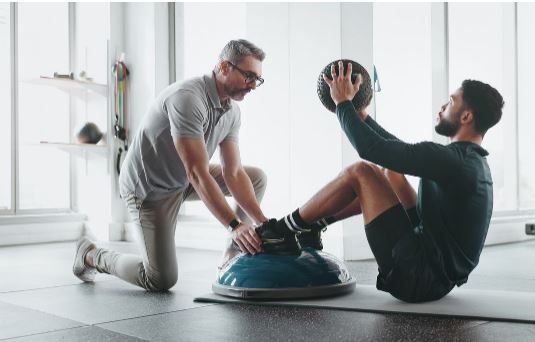
A sports physiotherapist helps people stay active and healthy while playing sports or exercising. Their job is to prevent and treat injuries that happen during physical activity, whether it’s for professional athletes or everyday people who enjoy staying fit. They focus on helping athletes recover after injuries, improve their performance, and keep their bodies strong and healthy so they can keep doing the activities they love.
Duties and Responsibilities
The duties and responsibilities of a sports physiotherapist focus on helping athletes stay healthy, recover from injuries, and perform at their best. While the role can vary depending on the sport or setting, here are the main responsibilities:
- Injury Assessment and Diagnosis: Carefully examine sports-related injuries to identify the problem and understand how it affects movement and performance. This involves using physical tests, observation, and medical knowledge to create an accurate picture of what’s going on.
- Rehabilitation Planning: Create personalized recovery programs that may include exercises, stretches, and treatments designed to restore strength, flexibility, and confidence. The goal is to guide athletes back to their sport safely and at the right pace.
- Injury Prevention: Design training plans and routines that reduce the risk of future injuries. This might include teaching proper warm-up and cool-down techniques, correcting posture, and strengthening vulnerable areas.
- Performance Enhancement: Work with athletes to boost their physical abilities—such as balance, agility, and endurance—so they can perform better while staying safe and reducing unnecessary strain on their bodies.
- On-Field Care: Provide hands-on support during practices or games, such as taping joints, applying ice or heat, or offering first aid for sudden injuries. Being on the sidelines ensures athletes get quick and effective care when needed.
- Education and Guidance: Teach athletes how to take care of their bodies, use proper form, and manage recovery. By giving them the right knowledge, sports physiotherapists empower athletes to stay healthy in the long run.
- Collaboration: Work closely with coaches, doctors, athletic trainers, and sometimes even nutritionists. Together, the team creates the best possible plan for each athlete’s health and performance.
- Monitoring Progress: Keep track of an athlete’s recovery and performance over time. Regular check-ins and adjustments ensure treatment plans stay effective and continue to meet the athlete’s changing needs.
Different Types of Sports Physiotherapists
Sports physiotherapists often distinguish themselves based on the population they serve or the type of sports injuries on which they focus:
- Orthopedic Sports Physiotherapists focus on musculoskeletal injuries such as sprains, fractures, ligament tears, and joint problems.
- Pediatric Sports Physiotherapists work with young athletes, addressing growth-related issues and preventing injuries during development.
- Performance and Conditioning Specialists integrate biomechanics, physiology, and nutrition to optimize performance and prevent injuries through strength, flexibility, and endurance training
- Rehabilitation and Post-Surgical Specialists help athletes recover from surgeries or severe injuries, like ACL reconstruction or shoulder/rotator cuff repair.
- Elite/Professional Team Physiotherapists work directly with professional or competitive athletes, often traveling with teams and providing onsite care.
Workplace of a Sports Physiotherapist
Sports physiotherapists can work for a variety of organizations, depending on their specialization and experience. Common employers include:
- Professional and Amateur Sports Teams or Clubs – providing onsite assessment, immediate care, and ongoing support for athletes during training or competitions
- Sports Medicine and Physiotherapy Clinics – offering treatment and rehabilitation services to athletes and active individuals
- Hospitals and Rehabilitation Centers – focusing on post-injury recovery and orthopedic care
- Fitness Centers, Gyms, and Wellness Facilities – supporting injury prevention and performance optimization
- Universities, Colleges, and Sports Academies – working with student-athletes and conducting research
- Private Practice – running independent clinics or offering specialized sports physiotherapy services
Sports physiotherapists can work almost anywhere athletes or active people need help with injuries, recovery, or improving performance.
You’ll often find them in clinics, hospitals, gyms, sports arenas, or right on the sidelines at fields and stadiums. The job is active and hands-on, with lots of time spent standing, showing athletes how to do exercises, and using different treatment techniques and equipment. In some cases, sports physiotherapists also get to travel with teams, providing care and support wherever the game takes them.
How to become a Sports Physiotherapist
Becoming a sports physiotherapist involves completing formal physiotherapy education, gaining clinical experience, and often pursuing additional training in sports physiotherapy. Here’s the typical pathway:
Earn a Bachelor’s Degree (Pre-Physiotherapy Studies)
In many countries, you’ll need an undergraduate degree in a related field, such as kinesiology, exercise physiology, biology, or health science, to qualify for entry into a physiotherapy program. Some universities offer direct-entry physical therapy degrees that combine undergraduate and professional training.
Regardless of the specific undergrad route selected, coursework should provide foundational knowledge of anatomy, physiology, pathology, biomechanics, and rehabilitation principles.
Complete a Professional Physiotherapy Program
Obtain a Doctor of Physical Therapy (DPT) degree. Programs are comprised of advanced coursework in anatomy, physiology, pathology, biomechanics, rehabilitation techniques, and clinical skills, as well as supervised clinical rotations in various specialties, including orthopedics, sports medicine, neurology, and physical and rehabilitation medicine (physiatry).
Countries that generally offer a Master of Physiotherapy (MPT) as a professional degree, rather than a Doctor of Physical Therapy, include Canada, the United Kingdom, Australia, and New Zealand, as well as many countries in Europe.
Obtain Licensure or Registration
You must pass a licensing exam to practise:
- US – National Physical Therapy Examination (NPTE). The NPTE is only one part of the evaluation process used by licensing authorities to assess your competence. Contact your jurisdiction to find out what additional requirements there are, such as taking a jurisprudence exam which tests your state’s laws and rules.
- Canada – To become licensed as a physiotherapist, all provincial regulatory colleges, except in Quebec, require candidates to first pass the Physiotherapy Competency Examination (PCE). The written component of the PCE is administered by the Canadian Alliance of Physiotherapy Regulators (CAPR). Graduates of accredited Canadian programs are automatically eligible to write the PCE.
- UK – Register with the Health and Care Professions Council (HCPC) to be officially licensed to practise and use the protected title ‘physiotherapist.’
- Other countries have their own regulatory bodies.
Gain Relevant Clinical Experience
Seek positions in hospitals, sports clinics, sports academies, or with local sports clubs or professional teams to build practical skills in musculoskeletal assessment, rehabilitation, and injury management.
Complete a Clinical Residency in Sports Physical Therapy or a Sports Physiotherapy Fellowship (Optional but Preferred)
These 12-month-long postgraduate programs are designed for physiotherapists wishing to advance their clinical skills in athletic injury prevention, rehabilitation, and performance enhancement. Here’s a sample format:
- Over 150 hours of one-on-one clinical mentorship
- Over 200 hours of sports venue and athletic training room coverage at the high school level
- Over 100 hours of sports and orthopedic didactic education at a designated hospital
1,500 hours of clinical practice - Clinical environment, including gait and motion analysis, antigravity treadmills, and state-of-the-art modalities
- Conference attendance at Combined Sections Meetings (CSMs) – annual conferences where members of various specialty sections and academies/divisions of the American Physical Therapy Association (APTA) gather for professional development, networking, and learning
- Teaching and outreach opportunities
Upon completion of this specialized training, residents/fellows are prepared for the Sports Clinical Specialist (SCS) certification examination.
Recognized in the US, the SCS is an American Physical Therapy Association credential governed by the American Board of Physical Therapy Specialties (ABPTS). It demonstrates advanced knowledge and skill related to the practice of sports physical therapy based on a holistic approach of prevention, treatment, rehabilitation, and education of the individual.
Alternatively, in countries that offer a Master of Physiotherapy (MPT) as a professional degree, students may choose to pursue a specialty Master of Sports Physical Therapy or Master of Sports and Exercise Physiotherapy.
Pursue Additional Certifications
In addition to the SCS certification, there are other advanced credentials that sports physiotherapists can pursue to demonstrate their specialized expertise. Among the most prominent are:
- Certified Strength and Conditioning Specialist (CSCS) – This certification is offered by the National Strength and Conditioning Association (NSCA). It focuses on improving athlete performance through advanced conditioning, strength training, and injury prevention strategies, and complements rehabilitation by bridging the gap between recovery and peak performance.
- HealthCert Professional Certificate – Musculoskeletal & Sports Medicine – This is an internationally recognized certification that provides advanced knowledge in musculoskeletal and sports medicine, beneficial for physiotherapists working with athletes.
- Certified Kinesio Tape Practitioner (CKTP) – Kinesio Taping is a rehabilitative technique designed by Kenzo Kase to help people with muscular and swelling issues. It provides support and stability for the joints and muscles without affecting circulation or range of motion. It can be used to treat anything from headache to foot problems. To earn the CKTP designation, qualified candidates must attend three days of practical training and complete a 200-question exam.
- Orthopedic Clinical Specialist (OCS) – This is an American Physical Therapy Association (APTA) credential governed by the American Board of Physical Therapy Specialties (ABPTS). It demonstrates advanced knowledge and skill in orthopedic physical therapy.
- Certified Orthopedic Manual Therapist (COMT) Certification – This certification involves intensive training in manual therapy techniques for the musculoskeletal system, focusing on orthopedic conditions. COMTs have a deeper understanding of diagnosing and treating complex musculoskeletal conditions and a more remarkable ability to provide effective exercise programs for their patients.
- Advanced Manual Therapist (ACOMT) Certification – ACOMT training is a demanding program designed to provide therapists with the advanced skills and knowledge necessary to treat complex musculoskeletal conditions. The certification is recognized as the highest level of manual therapy certification in the United States. Advanced manual therapy techniques, including joint mobilization, soft tissue mobilization, muscle energy techniques, myofascial release, and trigger point therapy, can greatly improve patient outcomes. Furthermore, ACOMT gives clinicians an advanced understanding of the latest pain science research.
- Dry Needling (DN) Certification – With modern-day advancements, physical therapy has continually progressed, and dry needling (DN) is one of the new specializations making waves in the industry. It has quickly become one of the most sought-after specializations for physical therapists. This technique involves the insertion of thin needles into muscle knots or trigger points to release tension and pain.
- Pelvic Health (PH) Certification – This certification program provides a comprehensive understanding of pelvic floor anatomy, treatment planning, and proper collaboration with healthcare providers. Pelvic health certification is highly useful for sports physiotherapists, as athletes can experience pelvic-related issues like pelvic pain, dysfunction, and incontinence that can affect their performance. The credential also allows a sports physiotherapist to provide comprehensive care for a broader range of athletes, including female athletes, by assessing and treating issues with the pelvic floor muscles and surrounding structures, which are vital for core stability and overall function.
- Neurologic Clinical Specialist (NCS) – This is an American Physical Therapy Association (APTA) credential governed by the American Board of Physical Therapy Specialties (ABPTS). It demonstrates advanced knowledge and skill in neurologic physical therapy.
- Concussion Management Certification – Numerous organizations offer concussion management credentials, including Shift Concussion, 360 Neuro Health, and R2P Concussion Management. Their certification programs offer comprehensive, evidence-based training for assessing and treating concussion, with some specializing in specific aspects like vestibular rehabilitation or serving particular professional groups.
- AIB-VR (American Institute of Balance – Vestibular Rehabilitation) Certification – This credential is awarded to professionals who have completed AIB's training program in vestibular rehabilitation. Vestibular rehabilitation is an exercise-based therapy program to improve vestibular disorder symptoms and impairments. This technique is useful in helping patients with balance and dizziness problems to improve their level of function and reduce their quality-of-life limitations. One of the ways vestibular rehabilitation achieves this is by helping the patient's brain compensate for changes in the vestibular system, which a variety of conditions, such as head injury, concussion, or degenerative disorders, can cause.
- ATRI Aquatic Therapeutic Exercise Certification – Offered by the Aquatic Therapy & Rehab Institute (ATRI), this credential certifies therapists’ competency in the use of water-based therapy to improve strength, mobility, and coordination in patients with neurological or musculoskeletal conditions.
- First Aid, Cardiopulmonary Resuscitation (CPR), and Emergency First Responder Certifications – These credentials are offered by a wide range of organizations including the Red Cross and the American Heart Association.
Continue Professional Development
Sports physiotherapy is constantly evolving, so ongoing learning through workshops, conferences, and advanced certifications is essential to stay updated on best practices, new techniques, and research in athlete rehabilitation.
Professional Organizations
In addition to the certifying bodies referenced above in the Clinical Residency in Sports Physical Therapy or Sports Physiotherapy Fellowship and Additional Certifications sections, the following organizations also support the sports physiotherapy community:
- International Sports Sciences Association (ISSA) – Offers specialization courses in fitness training, strength and conditioning, exercise therapy, and nutrition, which can complement a physiotherapist's expertise in sports rehabilitation
- International Federation of Sports Physical Therapy (IFSPT) – A global organization promoting excellence in sports physiotherapy and facilitating international collaboration and education
- Sport Physiotherapy Canada (SPC) – A division of the Canadian Physiotherapy Association focusing on advancing sports physiotherapy through education, credentialing, and advocacy for athletes and practitioners
- Canadian Physiotherapy Association (CPA) – The national body for physiotherapists in Canada, offering resources, professional development, and support for those specializing in sports physiotherapy
- European Society of Sports Traumatology, Knee Surgery and Arthroscopy (ESSKA) – Offers resources and professional development for sports physiotherapists in Europe
Skills Needed to Become a Sports Physiotherapist
A Sports Physiotherapist is a healthcare professional who helps athletes and physically active individuals prevent, manage, and recover from sports-related injuries. They work with athletes to improve mobility, strength, flexibility, and physical performance.
1. Essential Skills
1. Knowledge of Human Anatomy: Understanding muscles, bones, joints, ligaments, and the functioning of the human body.
2. Injury Assessment: Ability to identify and evaluate sports injuries such as muscle strains, ligament tears, fractures, and joint problems.
3. Rehabilitation Skills: Knowledge of rehabilitation techniques to help athletes recover safely and return to sports.
4. Exercise Prescription: Ability to design personalised exercise programmes to improve strength, flexibility, balance, and endurance.
5. Manual Therapy Skills: Knowledge of massage, joint mobilisation, stretching, and other hands-on treatment techniques.
6. Communication Skills: Ability to explain treatment procedures, recovery plans, and injury prevention strategies clearly.
7. Problem-Solving Skills: Ability to identify the causes of injuries and develop effective treatment approaches.
8. Sports Science Knowledge: Understanding sports biomechanics, exercise physiology, and athletic performance.
9. First Aid and Emergency Care: Ability to provide immediate care for sports injuries and handle emergencies.
10. Patient Management: Ability to monitor recovery progress and modify treatment plans according to individual needs.
2. Personal Skills
- Patience and empathy
- Critical thinking
- Teamwork and collaboration
- Time management
- Leadership skills
- Attention to detail
- Motivation and encouragement
- Adaptability and flexibility
3. Technical Skills
- Knowledge of physiotherapy equipment
- Functional movement assessment
- Injury prevention techniques
- Strength and conditioning
- Taping and strapping techniques
- Post-surgical rehabilitation
- Sports injury management
- Therapeutic exercise techniques
Salary of a Sports Physiotherapist
The salary of a Sports Physiotherapist varies depending on educational qualifications, experience, specialisation, workplace, and location. Sports physiotherapists working with professional sports teams and elite athletes may earn higher salaries.
Salary in India
- Fresher: ₹2.5 lakh – ₹4 lakh per year.
- 1–3 Years of Experience: ₹3 lakh – ₹5 lakh per year.
- 3–5 Years of Experience: ₹4 lakh – ₹7 lakh per year.
- 5–10 Years of Experience: ₹6 lakh – ₹10 lakh per year.
- Senior Sports Physiotherapist: ₹10 lakh – ₹15 lakh or more per year.
Salary in Other Countries
- USA: $60,000 – $100,000 per year.
- UK: £28,000 – £50,000 per year.
- Canada: CAD 55,000 – CAD 90,000 per year.
- Australia: AUD 65,000 – AUD 100,000 per year.
- UAE: AED 60,000 – AED 150,000 per year.
- Germany: €35,000 – €60,000 per year.
Factors Affecting Salary
- Educational qualifications and professional certifications.
- Years of practical experience.
- Specialisation in sports injury rehabilitation.
- Employment with professional sports teams.
- Location and type of healthcare organisation.
- Reputation and professional expertise.







User's Comments
No comments there.