

Stories you may like
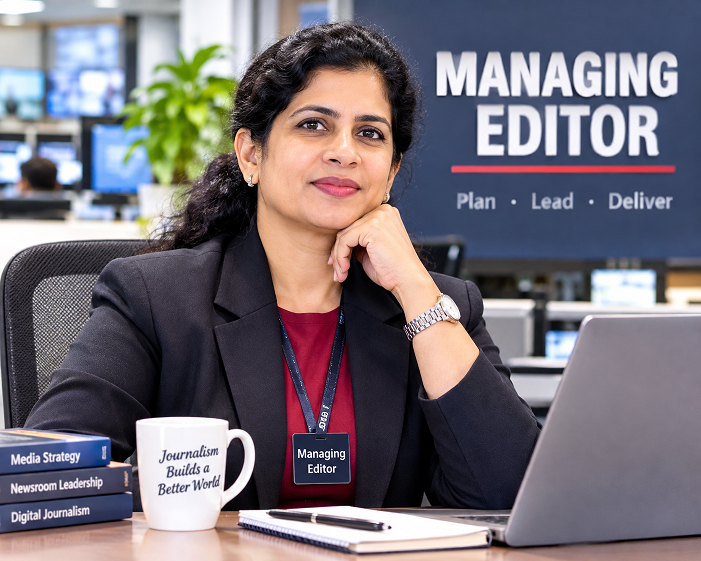
Managing Editor
Managing editors oversee the daily flow of content in publications like newspapers, magazines, and websites. They guide stories from idea to final version, ensuring everything runs smoothly and reaches readers on time. This role keeps the big picture in focus, blending creativity with organization to deliver reliable, engaging material that connects with audiences.
Managing editors work in fields such as journalism, book publishing, and digital marketing, often in newsrooms, media offices, or remote setups for online outlets. Common settings include bustling newspaper teams or content agencies handling blogs and social media. Success calls for strong leadership to manage writers and deadlines, sharp editing skills for clarity and accuracy, and good communication to team up with others.
What does a Managing Editor do?
Duties and Responsibilities
Managing editors handle a wide range of tasks to keep content flowing smoothly from idea to publication.
- Team Management: Managing editors hire, train, and guide writers, designers, and other staff members. This collaborative role ensures everyone works together effectively to hit publication goals.
- Content Scheduling: They create detailed editorial calendars using tools like Google Workspace or Asana to plan stories and set deadlines. Meeting these schedules keeps publications on track and readers happy.
- Editing and Proofreading: Managing editors review articles for clarity, accuracy, and style using software such as Microsoft Word or Adobe InCopy. They fix errors and ensure content matches the publication's tone before it goes live.
- Workflow Coordination: They assign tasks to freelancers and internal teams while tracking progress in content management systems like WordPress. This keeps projects moving without delays, even under daily or weekly deadlines.
- Performance Analysis: Managing editors check metrics from tools like Google Analytics to measure engagement and readership. They use these insights to tweak strategies and stay ahead of industry trends.
- Professional Development: They attend webinars or industry events and follow sites like Poynter for best practices. Staying updated helps them train teams and adapt to changes like new compliance rules for digital content.
Types of Managing Editors
Managing editors specialize in different areas, each bringing unique focus to content production across media.
- Newspaper Managing Editor: This editor oversees newsroom operations for print and online daily papers. Their main focus stays on fast-paced reporting and meeting print deadlines.
- Magazine Managing Editor: Editors in this role coordinate long-form features and layouts for periodic issues. What sets them apart is planning seasonal themes months ahead.
- Digital Managing Editor: This editor handles websites and social media content using CMS (content management system) platforms. It stands out for optimizing posts in real-time to boost online traffic.
- Book Publishing Managing Editor: In the book publishing space, editors manage manuscript timelines from acquisition to production. Their unique emphasis lies in coordinating with authors over extended schedules.
- Journal Managing Editor: This specialist processes academic submissions and peer reviews. The role is focused on prioritizing rigorous checks for scholarly accuracy.
- Content Marketing Managing Editor: This editor leads teams creating blogs and campaigns for brands. The key focus involves aligning pieces with business goals and SEO tools.
What is the workplace of a Managing Editor like?
A managing editor usually works in an office environment, though some may work remotely or in hybrid setups, especially in digital publishing. Many are employed by newspapers, magazines, online media outlets, publishing companies, or corporate communications departments. The workplace often involves collaboration with writers, editors, designers, and other staff, and deadlines are a constant part of the day.
The work environment is fast-paced and structured, as managing editors oversee content planning, assign stories, and ensure that all materials meet quality standards. Much of the day is spent coordinating teams, reviewing drafts, and making final decisions on what gets published. Strong communication and organizational skills are essential to keep workflows smooth and projects on track.
Managing editors also attend meetings, track budgets, and develop editorial strategies, balancing creative goals with business or audience needs. They often juggle multiple projects at once and adjust plans to meet deadlines or respond to breaking news. The role requires both leadership and attention to detail, as decisions made in the office directly affect the publication’s quality and reputation.
How to become a Managing Editor
A clear path leads to becoming a managing editor through education, hands-on experience, and skill building. This journey starts with basics and grows into leadership roles over time.
- Earn a Relevant Degree: Aspiring managing editors pursue a Bachelor's Degree in Journalism, Writing, Speech Communication and Rhetoric, English, or Publishing. This education builds core writing and editing skills needed for content work.
- Gain Entry-Level Experience: Beginners take jobs like copy editor or reporter at local papers or blogs. Early roles teach deadlines and teamwork in real settings.
- Seek Internships: Internships at media companies offer a foot in the door. They provide practical tasks that strengthen resumes and networks.
- Build a Freelance Portfolio: Freelance writing or editing creates published samples. A strong portfolio shows skills to future employers.
- Develop Key Skills: Practice leadership, attention to detail, and tools like content management systems. These abilities help manage teams and projects smoothly.
- Advance to Mid-Level Roles: Move up to associate or senior editor positions. These steps prove readiness for oversight duties.
- Pursue Certifications: Professional certifications in editing boost credentials. They signal commitment to industry standards.
- Network and Learn Trends: Join associations and attend workshops on digital media. Connections open doors to managing editor jobs.
Certifications
Certifications help managing editors enhance skills, develop expertise, and demonstrate credibility to employers.
- Poynter ACES Certificates in Editing: These certificates are awarded through a partnership between the Poynter Institute and American Copy Editors Society (ACES). Communicators at any stage of their professional development can benefit from one or all of three of the editing certificate programs: Introductory, Intermediate, and Advanced. There are no prerequisites for any of the certificates; learners can choose any or all of the learning paths to level up their editing skills. Each certificate level is made up of a series of six to seven courses and a final assessment.
- Certified Proofreading & Editing Professional (CPEP): Offered by the American Institute of Business and Management (AIBM), this credential focuses on editing and proofreading standards, including various style guides.
- Editors Canada: Professional Certification: This program, offered by Editors Canada, tests areas such as proofreading, copy editing, use of style guides, stylistic editing, and structural editing through formal exams that lead to recognized editing credentials. It is valuable for managing editors because it sets clear professional standards and signals advanced editing ability to employers and clients. Individuals who pass all four exams – Certified Proofreader, Certified Copy Editor, Certified Stylistic Editor, and Certified Structural Editor – are awarded the highest-level Certified Professional Editor (CPE) credential.
- Editing Certificate (UChicago): The University of Chicago Graham School runs this program covering copyediting, style guides, and electronic tools. Managing editors gain practical know-how to lead projects and work with authors effectively.
- CSE Publication Certificate: The Council of Science Editors awards this credential after completion of short courses and a research project. It equips managing editors in scholarly fields with skills for ethical publishing and team management.
- Certificate in Copyediting (AMA): The American Marketing Association offers this beginner-friendly course on grammar and editing basics. New managing editors use it to build a strong foundation for content strategy and collaboration.








User's Comments
No comments there.