

Stories you may like
Seamstress
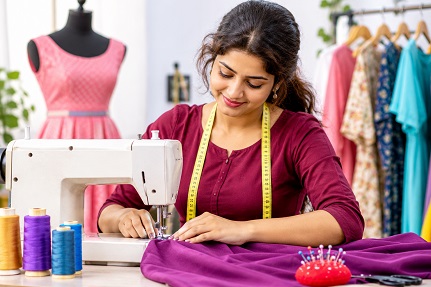
A seamstress works with clothing and fabric, creating, repairing, or adjusting garments so they fit properly and look their best. This can include hemming pants, taking in dresses, fixing zippers, or sewing custom pieces. Seamstresses often work with everyday clothing, formal wear, or specialty items like uniforms and costumes.
Many seamstresses work in tailoring shops, clothing stores, or from home, and their work is very hands-on and detail-focused. The job combines creativity with practical skills, and it often involves working closely with customers to understand their needs. For people who enjoy sewing and helping others feel comfortable and confident in their clothes, this can be a very rewarding career.
Duties and Responsibilities
The primary duties and responsibilities of a seamstress may vary depending on their specific job, industry, and employer. However, some general duties and responsibilities of seamstresses include:
- Garment Construction: Seamstresses assemble new clothing from patterns or designs, cutting fabric and sewing pieces together to create finished garments. This work requires precision to ensure proper fit, structure, and durability.
- Clothing Alterations: Adjusting existing garments by hemming, resizing, or reshaping them to fit the wearer better. These alterations help improve comfort, appearance, and confidence.
- Repairs and Mending: Fixing torn seams, broken zippers, missing buttons, or worn areas to restore garments. This allows clothing to be worn longer and keeps it looking presentable.
- Measurements and Fittings: Taking accurate body measurements and conducting fittings to check how garments sit on the body. This step ensures changes are correct before final stitching.
- Fabric and Material Handling: Selecting appropriate fabrics, threads, and notions for each project and understanding how different materials behave. Proper handling prevents damage and ensures high-quality results.
- Customer Communication: Discussing alteration needs, timelines, and costs with clients in a clear and friendly way. Good communication helps manage expectations and deliver satisfactory results.
Types of Seamstresses
There are various types of seamstresses, each specializing in different aspects of garment construction, alterations, or customization. Some common types of seamstresses include:
- Alteration Seamstress: Specializes in modifying existing garments to improve fit, style, or functionality. Works in alteration shops, department stores, or dry cleaners to hem, resize, repair, or replace elements of clothing.
- Bridal Seamstress: Focuses on creating or altering wedding dresses, bridesmaid dresses, and other bridal attire. Skilled in delicate fabrics and provides fittings, alterations, and customizations for a perfect fit.
- Costume Seamstress: Designs and constructs costumes for theater, film, cosplay, or events. Collaborates with designers and directors to bring characters or themes to life using various materials and techniques.
- Couture Seamstress: Creates high-quality, couture garments, often working with designers or fashion houses. Uses advanced skills in pattern drafting, draping, and sewing for custom or limited-edition pieces.
- Home Decor Seamstress: Makes custom window treatments, bedding, upholstery, and other soft furnishings. Works with interior designers or clients to design, sew, and install decorative and functional pieces.
- Tailor: Alters, repairs, and customizes garments to fit individual measurements and preferences. Works with a variety of fabrics using hand stitching and machine techniques to create stylish, well-fitted clothing.
Workplace of a Seamstress
Seamstresses may work in various settings, including traditional sewing studios, garment factories, alteration shops, bridal boutiques, costume shops, or home-based businesses. Each environment offers unique advantages and challenges, and the workplace atmosphere can differ significantly based on factors such as workload, equipment availability, and client interactions.
In a traditional sewing studio or garment factory, seamstresses typically work in a production-oriented environment, where they may be part of a team responsible for mass-producing garments or textile products. These settings often feature rows of sewing machines and workstations, where seamstresses work on assigned tasks such as stitching seams, attaching trims, or adding embellishments. The pace of work can be fast-paced and demanding, with strict deadlines and quality standards to meet.
In contrast, seamstresses who operate their own alteration or custom tailoring businesses may work in smaller, more intimate settings, such as home-based studios or boutique shops. These environments offer greater flexibility and autonomy, allowing seamstresses to work directly with clients and provide personalized services tailored to their needs. Seamstresses may meet with clients for fittings, consultations, or design sessions, and they may also handle administrative tasks such as scheduling appointments, managing inventory, and maintaining records.
How to become a Seamstress
To become a seamstress, individuals can follow these general steps:
- Gain Sewing Skills: Start by learning basic sewing skills and techniques through classes, workshops, tutorials, or self-study. Practice sewing on a variety of fabrics and materials to develop proficiency in stitching, seaming, hemming, and other sewing techniques. Experiment with different sewing tools and equipment to become familiar with their functions and applications.
- Take Sewing Classes or Courses: Consider enrolling in formal sewing classes or courses offered by community colleges, vocational schools, or sewing studios. These programs may cover topics such as garment construction, pattern drafting, alterations, and sewing machine operation. Hands-on instruction from experienced instructors can provide valuable guidance and feedback to help you improve your sewing skills and confidence.
- Gain Experience: Seek opportunities to gain hands-on experience in sewing by working on sewing projects, volunteering for sewing-related tasks, or completing internships or apprenticeships with experienced seamstresses or tailors. Practice sewing garments, accessories, or home decor items for yourself, friends, or family members to build your portfolio and demonstrate your sewing abilities.
- Build a Portfolio: Create a portfolio showcasing your sewing projects, skills, and accomplishments. Include photographs or samples of garments you have sewn, alterations you have completed, or other sewing projects you have worked on. A well-organized portfolio can serve as a visual representation of your sewing expertise and help you market yourself to potential clients or employers.
- Consider Formal Education or Training: While formal education is not always required to become a seamstress, pursuing additional training or certification in sewing, fashion design, or garment construction can enhance your skills and credibility in the industry. Look for certificate programs, associate degrees, or continuing education courses offered by accredited institutions or professional organizations.
- Start Your Sewing Business: If you plan to work as a freelance seamstress or start your own sewing business, research local licensing requirements, business regulations, and tax obligations in your area. Develop a business plan outlining your services, target market, pricing structure, and marketing strategies. Invest in quality sewing equipment and supplies, set up a functional workspace, and establish a professional online presence to attract clients and promote your services.
Certifications
Seamstresses can pursue various certifications and credentials related to sewing, fashion design, and garment construction to enhance their skills and credibility in the industry. Some options include:
- Sewing and Fashion Design Programs: Many community colleges, vocational schools, and art institutes offer certificate programs or associate degrees in sewing, fashion design, or apparel construction. These programs provide comprehensive training in sewing techniques, pattern making, garment construction, and fashion industry fundamentals. Graduates may receive certificates or diplomas upon completion of their programs.
- Professional Sewing Organizations: Seamstresses can join professional sewing organizations such as the American Sewing Guild (ASG) or the Association of Sewing and Design Professionals (ASDP). These organizations offer networking opportunities, educational resources, and professional development opportunities for seamstresses and fashion enthusiasts. While membership in these organizations doesn't confer a specific certification, it can provide valuable support and recognition within the sewing community.
- Specialty Certifications: Seamstresses may pursue specialty certifications in areas such as alterations, couture sewing, or custom tailoring. These certifications may be offered by independent sewing schools, professional organizations, or industry experts and typically involve completing training courses, passing exams, or demonstrating proficiency in specific sewing techniques or specialties.
- Continuing Education Courses: Seamstresses can enhance their skills and knowledge through continuing education courses, workshops, or seminars offered by sewing schools, fashion institutes, or professional organizations. These courses cover a wide range of topics such as advanced sewing techniques, fabric manipulation, garment fitting, and industry trends. While not formal certifications, completing these courses can demonstrate a commitment to ongoing learning and professional development.
Associations
Seamstresses can benefit from joining professional associations and organizations that provide networking opportunities, educational resources, and support within the industry. Some prominent associations for seamstresses include:
- American Sewing Guild (ASG): The American Sewing Guild is a national organization dedicated to advancing sewing as an art and life skill. ASG offers local chapters across the US, where members can participate in sewing-related activities, workshops, and community service projects. The organization also provides educational resources, publications, and discounts on sewing-related products and services.
- Association of Sewing and Design Professionals (ASDP): The Association of Sewing and Design Professionals is a professional organization for individuals involved in the sewing, design, and textile arts fields. ASDP members include seamstresses, fashion designers, pattern makers, and sewing educators. The organization offers networking opportunities, educational programs, and resources to support members in their sewing careers.
- Costume Society of America (CSA): The Costume Society of America is dedicated to promoting the study, understanding, and appreciation of costume and textiles. CSA members include costume designers, historians, collectors, and enthusiasts. The organization offers publications, conferences, and educational programs focused on costume history, design, and construction.
- Sewing & Craft Alliance (SCA): The Sewing & Craft Alliance is a non-profit organization that provides educational resources and support for individuals interested in sewing, quilting, and crafting. SCA offers online tutorials, sewing projects, and tips for sewers of all skill levels. The organization also sponsors National Sewing Month and other sewing-related events and initiatives.
- Professional Sewing Organizations: In addition to national associations, seamstresses may find value in joining local or regional sewing organizations or guilds. These groups often offer workshops, classes, and social events for members to connect with other sewing enthusiasts, share techniques, and learn new skills.
Skills Needed to Become a Seamstress
A Seamstress is a professional who sews, alters, repairs, and designs clothing and other fabric products. A successful seamstress needs creativity, technical sewing knowledge, precision, and attention to detail.
1. Technical Sewing Skills
- Ability to operate sewing machines and other sewing equipment.
- Knowledge of different sewing techniques and stitches.
- Expertise in hemming, stitching, and garment construction.
- Ability to repair damaged clothes and fabrics.
2. Knowledge of Fabrics
- Understanding different types of fabrics, such as cotton, silk, wool, linen, and polyester.
- Knowledge of fabric textures, properties, and durability.
- Ability to select suitable fabrics for different garments.
3. Measuring and Cutting Skills
- Accurate body measurement techniques.
- Ability to cut fabric according to patterns and designs.
- Knowledge of garment sizing and fitting.
- Precision in handling cutting tools.
4. Pattern-Making Skills
- Ability to read and interpret sewing patterns.
- Knowledge of drafting and modifying patterns.
- Understanding garment shapes, measurements, and proportions.
5. Creativity and Design Skills
- Ability to create attractive clothing designs.
- Knowledge of colours, styles, and fashion trends.
- Ability to suggest design improvements and customisations.
6. Attention to Detail
- Ensuring neat stitching and clean finishing.
- Identifying small sewing errors.
- Maintaining consistent quality in every garment.
7. Time Management
- Completing sewing projects within deadlines.
- Managing multiple customer orders.
- Organising work efficiently.
8. Communication Skills
- Understanding customers' clothing requirements.
- Discussing designs, measurements, and alterations.
- Providing helpful suggestions to customers.
9. Problem-Solving Skills
- Fixing stitching mistakes and garment defects.
- Adjusting patterns to achieve proper fitting.
- Finding solutions for difficult sewing projects.
10. Business and Customer Service Skills
- Managing customer orders and payments.
- Calculating material costs and service charges.
- Maintaining good customer relationships.
- Promoting tailoring services and managing a small sewing business.
11. Patience and Hand-Eye Coordination
- Working carefully on detailed sewing tasks.
- Maintaining accuracy while stitching.
- Handling needles, threads, and small accessories safely.
Salary of a Seamstress
A seamstress's salary depends on experience, sewing skills, location, employer, and type of work.
Salary in India
- Entry-Level Seamstress: ₹8,000 – ₹15,000 per month.
- Mid-Level Seamstress: ₹15,000 – ₹25,000 per month.
- Experienced Seamstress: ₹25,000 – ₹40,000 per month.
- Highly Skilled Seamstress: ₹40,000 – ₹60,000+ per month.
Salary in Other Countries
- USA: $2,500 – $3,800 per month.
- UK: £1,500 – £2,300 per month.
- Canada: CAD 2,500 – 3,500 per month.
- Australia: AUD 3,500 – 4,800 per month.
- Germany: €2,000 – €3,000 per month.
- UAE: AED 1,500 – 3,000 per month.
- Singapore: SGD 1,800 – 2,800 per month.
Factors Affecting Salary
- Work experience and sewing expertise.
- Knowledge of advanced stitching techniques.
- Ability to create customised garments.
- Location and workplace.
- Customer demand and reputation.
- Self-employment and freelance opportunities.
Self-Employment Income
Seamstresses who run their own tailoring businesses can earn additional income through custom clothing, alterations, embroidery, bridal wear, and designer garments. Earnings depend on the number of customers, pricing, and business expenses.





User's Comments
No comments there.