

Stories you may like
Packaging Designer
A packaging designer designs the containers, boxes, labels, and wrapping used to hold and present products. Their job is to make packaging that is attractive, functional, and communicates important information like the product name, ingredients, or instructions. Good packaging helps a product stand out on the shelf and makes it more likely that people will buy it.
These designers use skills in graphic design, color, typography, and layout to create packaging that matches a brand’s identity. They also work with different materials—like cardboard, plastic, or glass—and consider how the packaging will be used, stored, and opened. Along with looking good, packaging must also protect the product inside and meet any safety or legal standards.
What does a Packaging Designer do?
Duties and Responsibilities
Packaging designers have a mix of creative and technical responsibilities that help bring a product's visual identity to life while ensuring it’s practical and safe to use. Their main duties include:
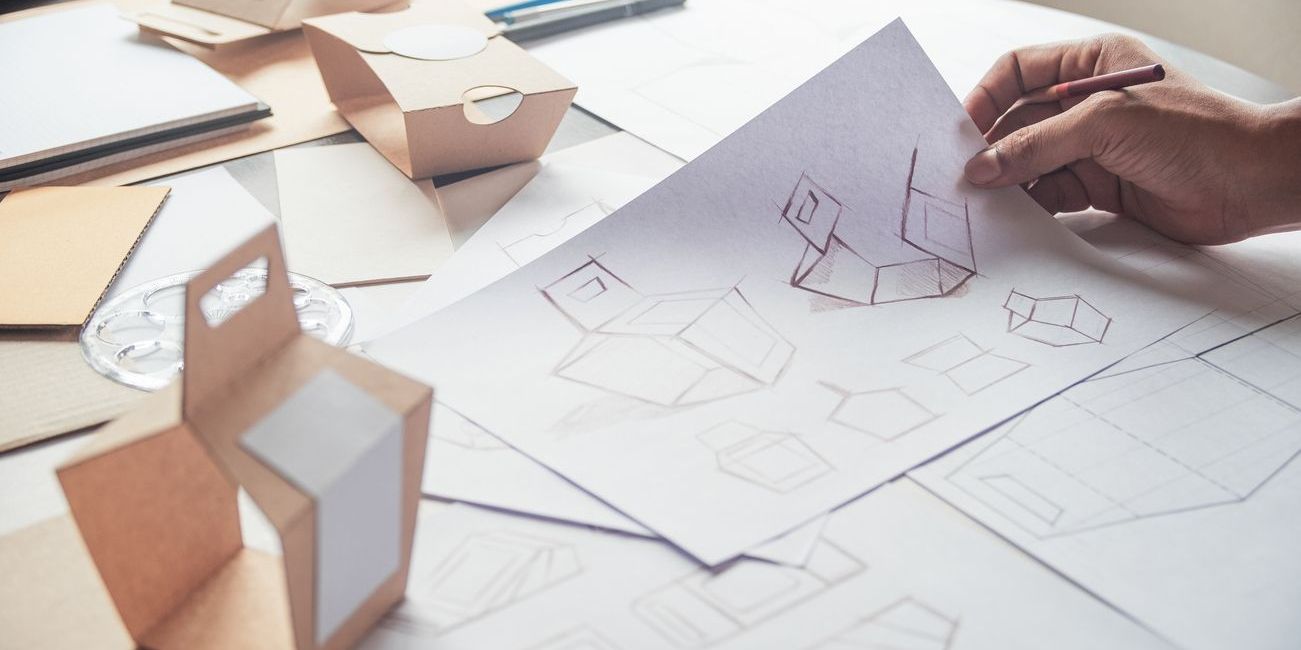
- Concept Development: Create design ideas that align with a brand’s image and appeal to the target audience, often starting with sketches or digital mockups.
- Graphic Design: Design the visual elements of packaging, including logos, text, colors, and imagery, using software like Adobe Illustrator and Photoshop.
- Material Selection: Choose appropriate packaging materials that are durable, cost-effective, and environmentally friendly, depending on the product’s needs.
- Prototype Creation: Develop sample packaging to test how it looks and functions before full production, making adjustments based on feedback.
- Collaboration: Work closely with marketing teams, product developers, and printers to ensure the final packaging meets branding goals, budget, and technical requirements.
- Compliance and Standards: Make sure the packaging follows industry regulations and includes all required information, such as barcodes, warnings, and nutritional labels.
- Sustainability Considerations: Incorporate eco-friendly design choices and consider packaging that can be recycled or reused when possible.
Types of Packaging Designers
There are several types of packaging designers, each focusing on different aspects of design and product needs:
- Structural Packaging Designer: Focuses on the physical shape, structure, and functionality of the packaging. They work with materials and engineering principles to ensure the package protects the product and is easy to use or transport.
- Graphic Packaging Designer: Concentrates on the visual elements of the package, such as branding, color schemes, typography, and layout. Their goal is to create eye-catching designs that communicate the product’s identity and attract consumers.
- Sustainable Packaging Designer: Specializes in creating eco-friendly packaging solutions. They focus on using recyclable or biodegradable materials, reducing waste, and designing for minimal environmental impact.
- Luxury Packaging Designer: Designs high-end packaging for premium products, often using special finishes, high-quality materials, and unique structures to convey elegance and exclusivity.
- Food and Beverage Packaging Designer: Works specifically with food and drink products, ensuring packaging meets health regulations, preserves freshness, and appeals to customers in competitive markets.
What is the workplace of a Packaging Designer like?
The workplace of a packaging designer can vary depending on the type of company they work for. Many packaging designers work in offices as part of a design or marketing team within a larger company, like a food or cosmetics brand. In these settings, they usually work at a computer using design software, attend meetings to discuss ideas, and collaborate with other departments such as product development and sales.
Some packaging designers work for design or advertising agencies where they handle projects for multiple clients. These workplaces are often fast-paced and creative, with designers juggling different brand styles and deadlines. In these roles, packaging designers might switch between brainstorming sessions, digital design work, and presenting concepts to clients.
Designers may also visit manufacturing facilities or printing companies to see how their packaging will be made. This helps them understand materials, printing methods, and what’s possible within production limits. Whether working in-house or at an agency, most packaging designers work full-time in creative environments that blend design, communication, and problem-solving.
How to become a Packaging Designer
Becoming a packaging designer involves a mix of education, design training, and hands-on experience. Here’s a typical path:
- Earn a Degree: Most packaging designers start by earning a degree in commercial art, graphic design, industrial design, or a related field. These programs teach important skills in visual design, materials, color theory, and design software.
- Build a Portfolio: A strong portfolio showcasing original packaging designs is essential. Students often develop this during school through class projects or internships. A well-rounded portfolio should demonstrate creativity, technical ability, and an understanding of branding.
- Gain Experience: Internships or entry-level jobs in design studios, marketing firms, or product companies provide valuable experience. Over time, designers can specialize in areas like sustainable packaging, structural design, or specific industries.
- Stay Current: The design field evolves quickly, so successful packaging designers keep up with trends in materials, technology, and branding. Taking workshops, online courses, or earning certifications in design tools can also help advance a career.
Certifications
While not always required, certifications can help packaging designers strengthen their skills, stay competitive, and demonstrate expertise in specific areas of design and production. Here are some valuable options:
- Adobe Certified Professional (ACP): Offers certification in key design software like Photoshop, Illustrator, and InDesign—tools widely used in packaging design.
- Certified Packaging Professional (CPP): Offered by the Institute of Packaging Professionals, this credential shows advanced knowledge in materials, design, manufacturing, and sustainability.
- SolidWorks Certification: For designers involved in structural or 3D packaging design, SolidWorks certifications demonstrate proficiency in creating technical, product-based designs.
- Sustainability Certifications: Programs such as the Sustainable Packaging Coalition’s training courses focus on eco-friendly practices, helping designers meet growing demand for green packaging.
- Color Management Professional Certification: Offered by Idealliance, this certification is helpful for designers working closely with print production, ensuring consistent color quality across materials.




User's Comments
No comments there.